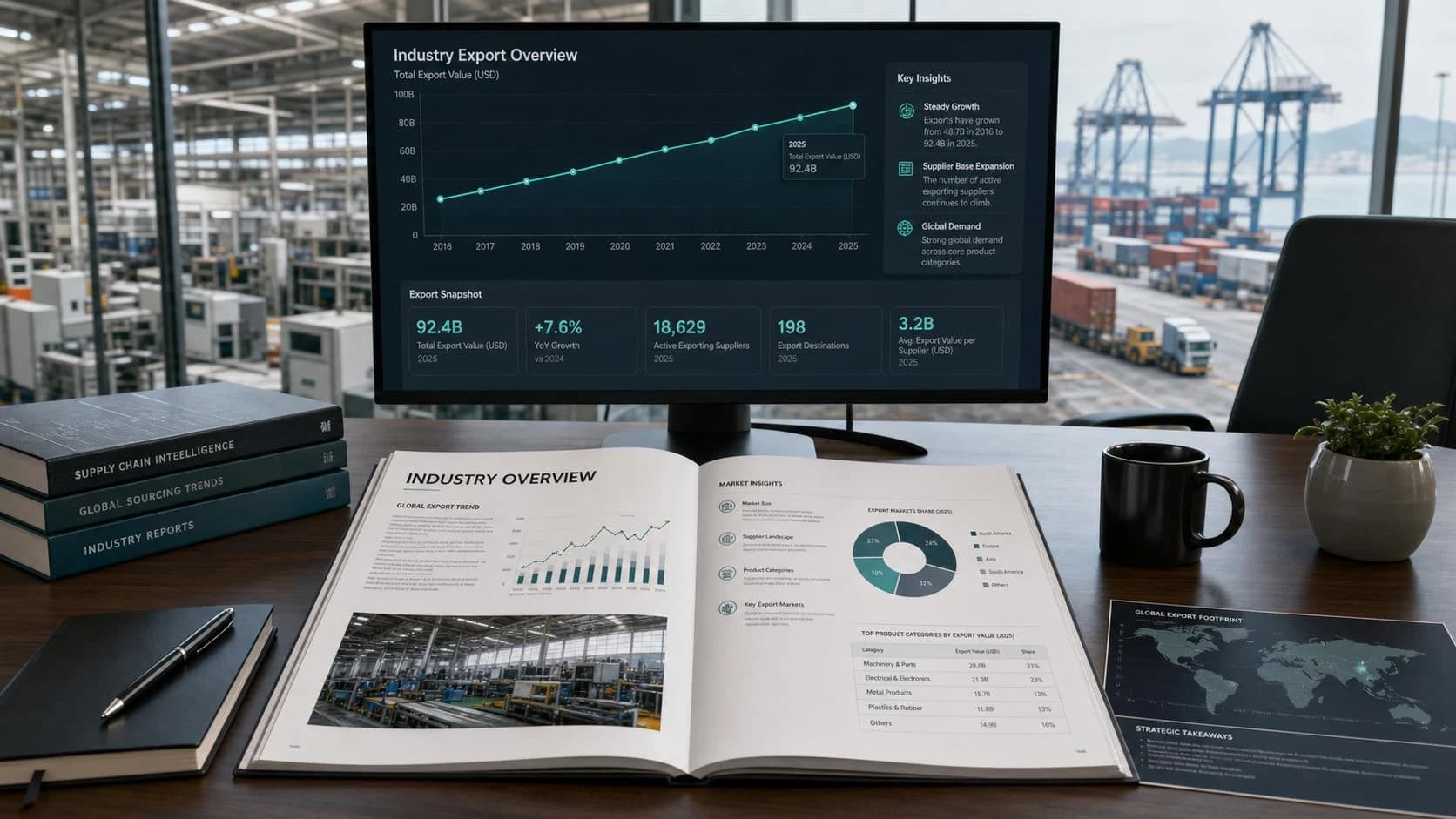
China's carpet and tapestry manufacturing sector is highly concentrated, with 63 active exporters cataloged. The primary production hubs are Dezhou (Shandong) with 5 exporters, Jinhua (Zhejiang) with 4 exporters, and Binzhou (Shandong) with 3 exporters. These clusters benefit from proximity to raw materials like wool, cotton, and synthetic fibers, as well as established logistics networks. Dezhou and Binzhou leverage Shandong's robust chemical and textile supply chains, while Jinhua taps into Zhejiang's efficient trade infrastructure and port access.
B2B buyers gain cost advantages from China's vertical integration—manufacturers often control weaving, dyeing, and finishing in-house. Bulk orders can reduce per-unit costs by 20-30%, and many factories accept low MOQs for new buyers. For shipping, air freight suits high-end custom tapestries (lead time 7-10 days), while sea freight from Ningbo or Qingdao is budget-friendly for large carpet rolls (20-30 days). Ensure your supplier provides FOB or CIF terms and uses fumigated wooden crates to prevent moisture damage.
Key procurement checklist: verify certifications (ISO 9001, Oeko-Tex), request material safety data sheets, inspect dye-lot consistency, and confirm third-party testing (e.g., flammability, colorfastness). Use Alibaba Trade Assurance or secure a sample before bulk orders. With diligent vetting, China's 63 exporters offer competitive, high-quality carpets and tapestries for global buyers.