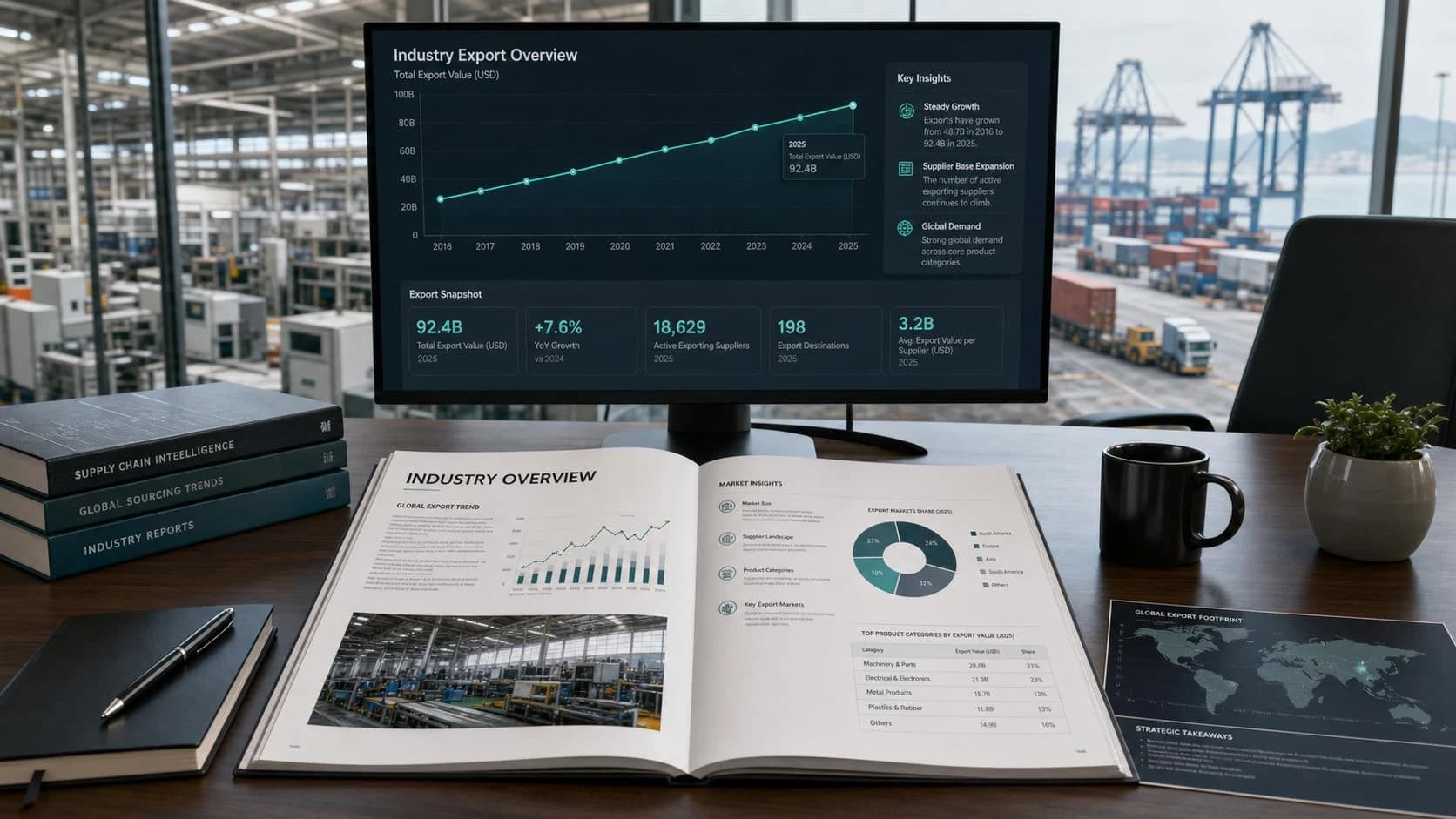
China dominates global home textile production, with 762 active exporters cataloged in our database. The industry clusters in three key manufacturing hubs: Hangzhou (96 exporters), Nantong (60 exporters), and Shaoxing (52 exporters). Hangzhou and Shaoxing in Zhejiang province leverage proximity to high-quality silk and cotton yarn suppliers, while Nantong in Jiangsu benefits from advanced weaving technology and synthetic fiber production. These clusters offer superior raw material availability, cost-effective manufacturing, and streamlined logistics via nearby ports like Shanghai and Ningbo.
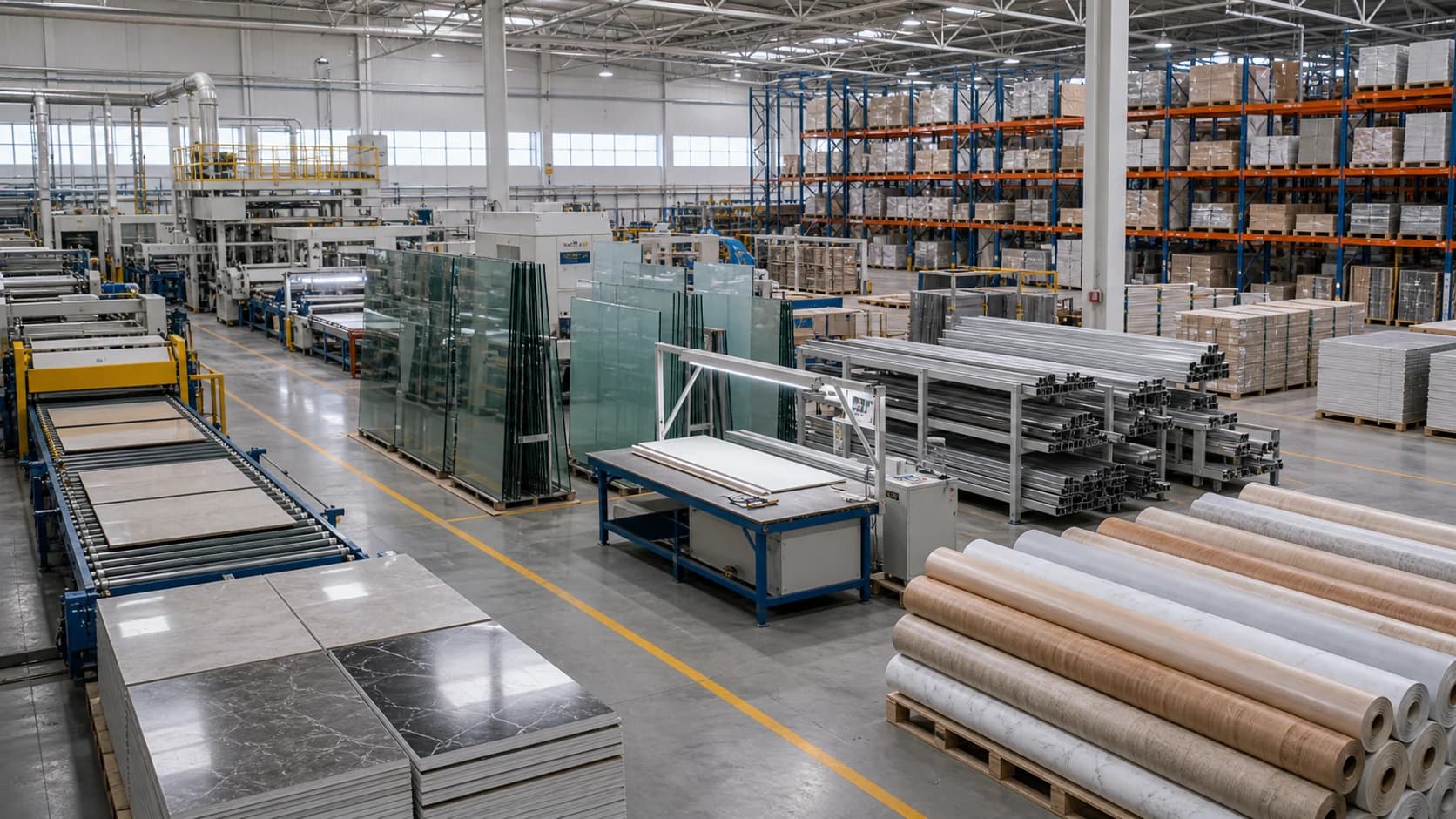
B2B buyers gain significant cost advantages from vertical integration: raw material sourcing, spinning, weaving, dyeing, and finishing often occur within 50 km of each other. This reduces inventory costs and lead times. Shipping logistics are optimized through direct container loading at factories in Nantong or Hangzhou, with 7–10 day transit to major global ports. Standard export packaging (polybags or cartons) minimizes damage. A procurement checklist for foreign buyers should include: verifying supplier certifications (OEKO-TEX, GOTS), requesting lab test reports for colorfastness and shrinkage, auditing factory social compliance (BSCI/SEDEX), clarifying incoterms (FOB Shanghai common), and ordering samples before bulk production. Minimum order quantities (MOQs) typically range from 500–2000 pieces per SKU for woven items, and 2000–5000 for printed bedding sets.
Key product categories include bed sheets, duvet covers, pillows, curtains, towels, and table linens. The supply chain is highly flexible, with manufacturers in Shaoxing specializing in jacquard and embroidery, while Hangzhou excels in printed and dyed fabrics. Nantong is renowned for comforter assembly. By leveraging these clusters, buyers can reduce sourcing costs by 15–25% compared to fragmented supply chains. Always conduct in-person visits or third-party inspections to ensure quality consistency.