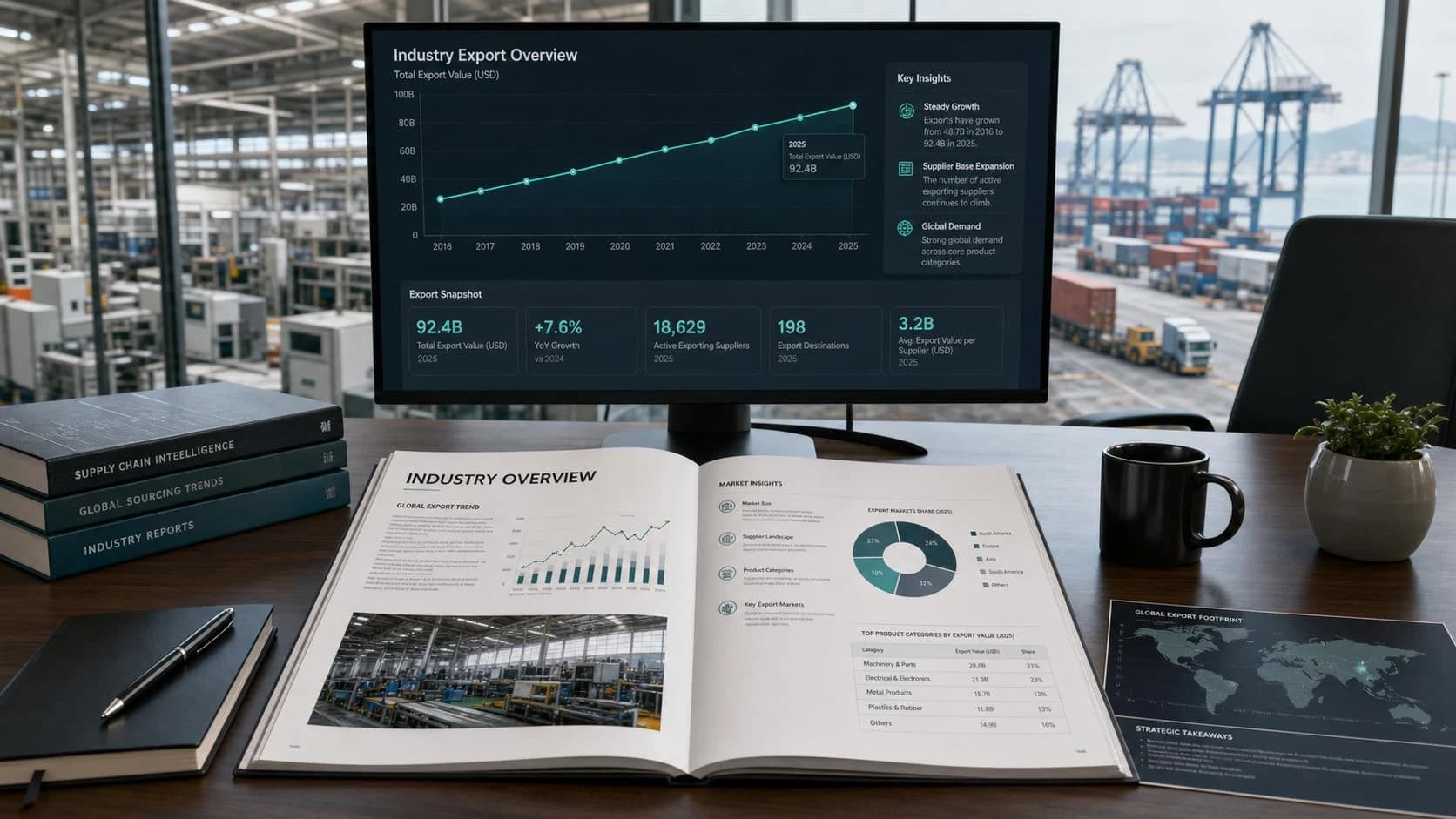
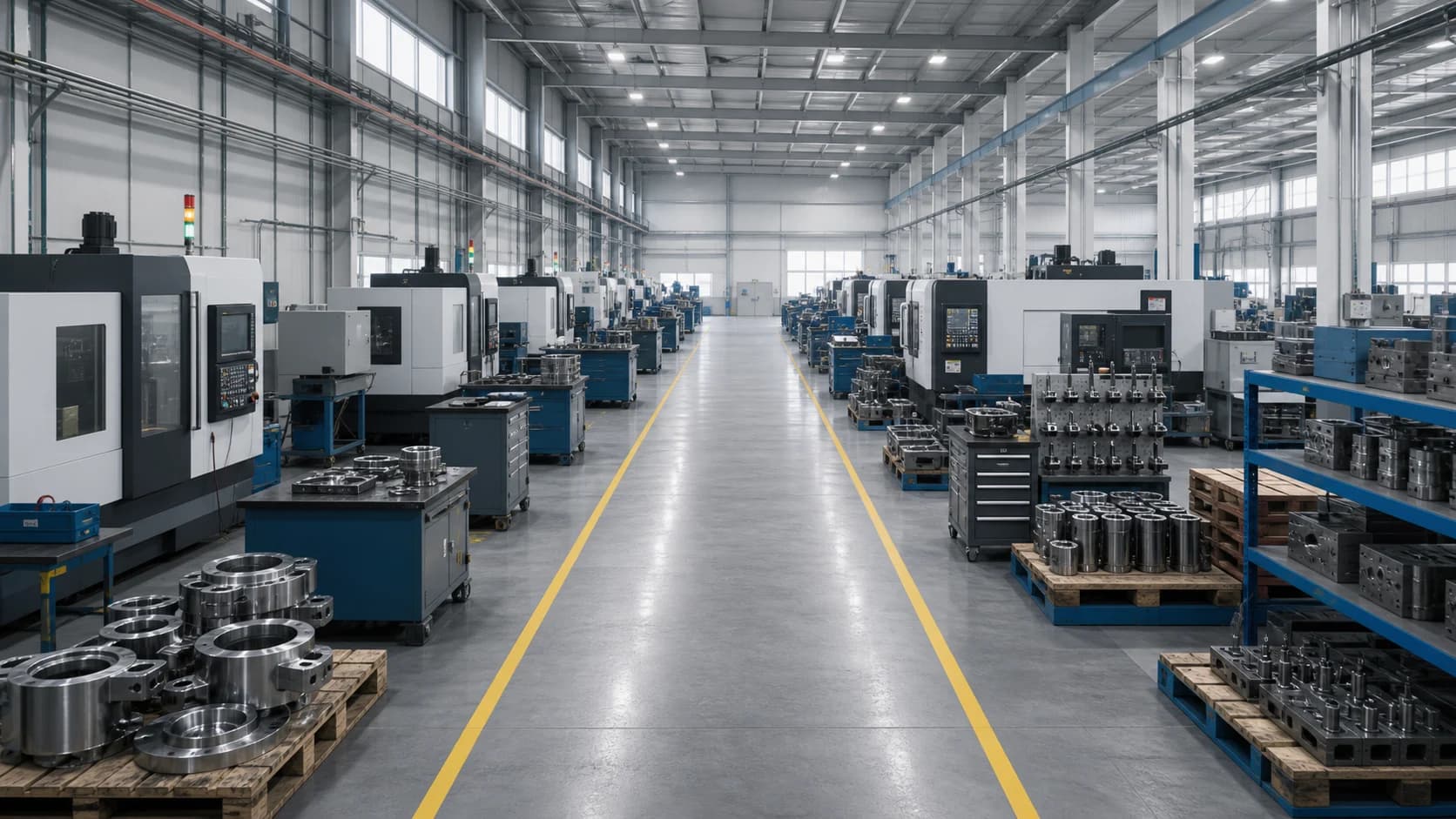
China’s Processing Machinery and Equipment sector boasts 397 active exporters, concentrated in key manufacturing hubs. Suzhou, Jiangsu leads with 19 exporters, followed by Jinan, Shandong (16) and Wuxi, Jiangsu (15). These clusters leverage mature supply chains for components like motors, hydraulics, and precision castings, enabling competitive pricing and rapid customization. The Yangtze River Delta (Suzhou, Wuxi) excels in high-speed automation and packaging machinery, while Jinan specializes in heavy industrial presses and metalworking equipment.
B2B cost advantages stem from vertical integration—major suppliers produce core components in-house, reducing markups. Raw materials like carbon steel, aluminum, and electronics are sourced locally, with Jiangsu alone producing over 30% of China’s industrial automation parts. Shipping logistics are streamlined via Shanghai and Ningbo ports within 2-3 hours from Suzhou/Wuxi, and Qingdao port near Jinan. Sea freight to North America or Europe typically takes 20-30 days, with LCL options for smaller buyers. Air freight via PVG or TNA is available for urgent orders.
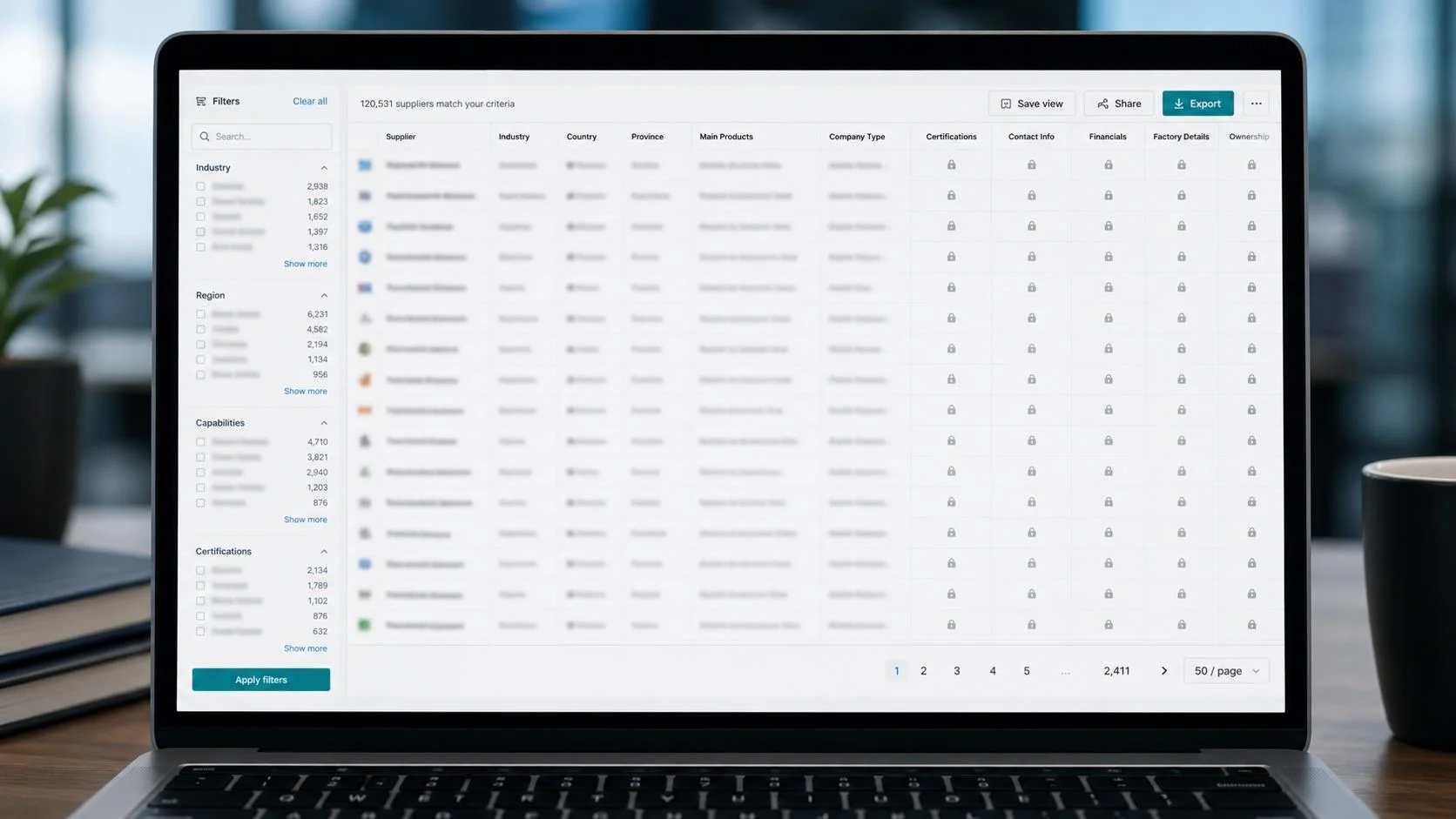
For foreign buyers, a procurement checklist includes: 1) Certifications (CE, UL, ISO 9001); 2) On-site or third-party factory audits; 3) Spare parts availability and after-sales service policies; 4) Customization capabilities and lead times; 5) Payment terms (typically T/T with 30% deposit, L/C). Engaging a bilingual procurement agent or using verified platforms can mitigate risks. Overall, China offers a robust ecosystem for processing machinery, balancing quality, cost, and scalability.