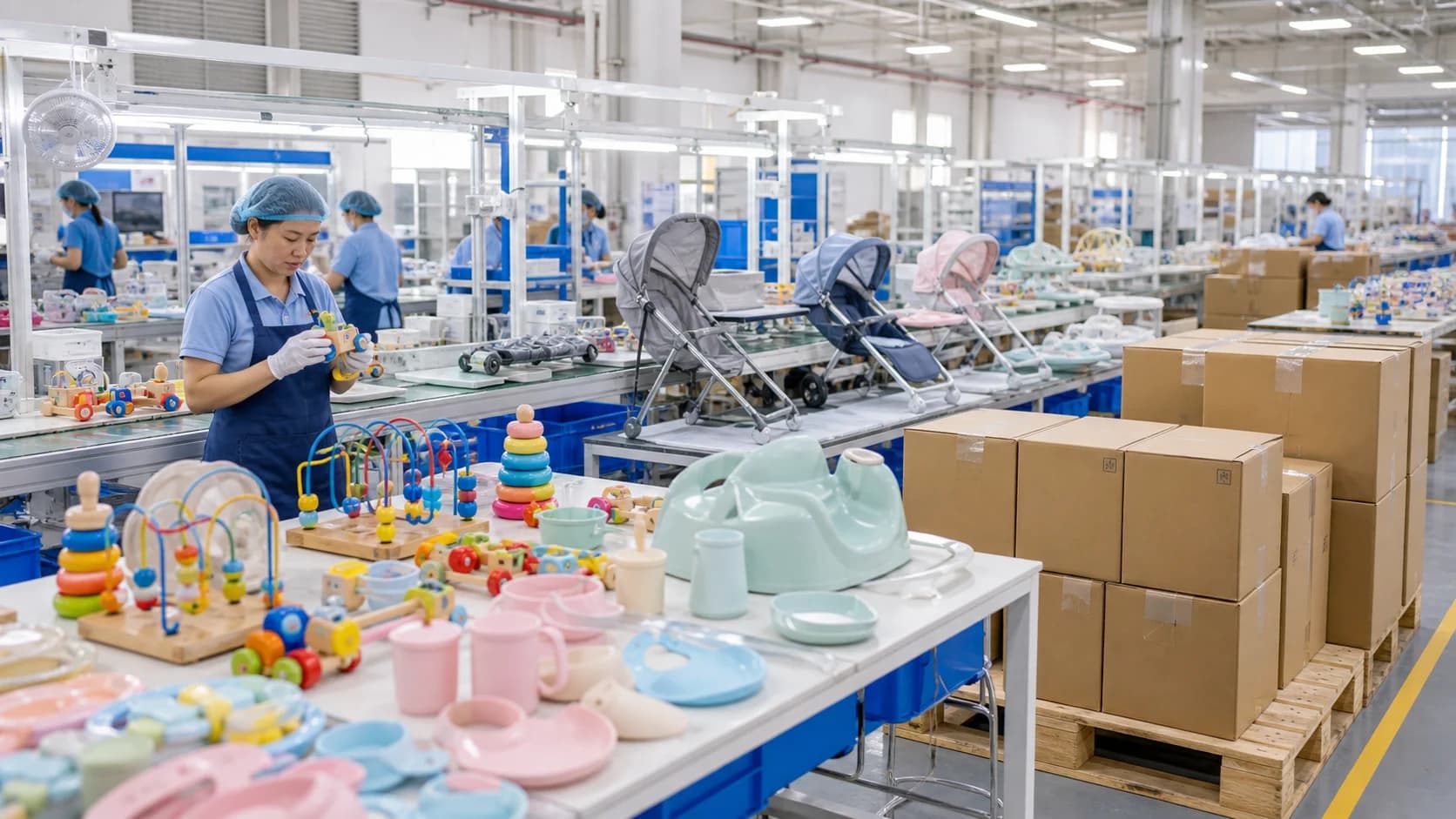
China’s toy manufacturing industry is the world’s largest, with 421 active exporters cataloged. The sector is highly clustered, with key hubs providing distinct advantages. Shantou in Guangdong leads with 54 exporters, leveraging its mature plastics and molding ecosystem. Nanjing (Jiangsu) hosts 20 exporters, focusing on educational and electronic toys, while Qingdao (Shandong) with 16 exporters specializes in plush and outdoor toys. These clusters offer cost efficiencies through shared supply chains, skilled labor, and proximity to raw materials like ABS plastic, silicone, and textiles.
B2B cost advantages are significant: China’s toy production costs are 30-50% lower than in Western countries due to economies of scale, competitive labor costs, and a well-established supply chain. Raw materials like plastics are sourced locally from petrochemical hubs in Zhejiang and Shandong, while electronics components come from Shenzhen. For shipping, toys are often exported via sea from Shenzhen, Shanghai, or Qingdao ports, with typical LCL (less container load) options for small orders and full containers for bulk. Air freight is available for urgent or high-value shipments, though costs are higher. Ensure compliance with safety standards (e.g., EN71, ASTM F963) and secure FOB or CIF terms to control logistics costs.
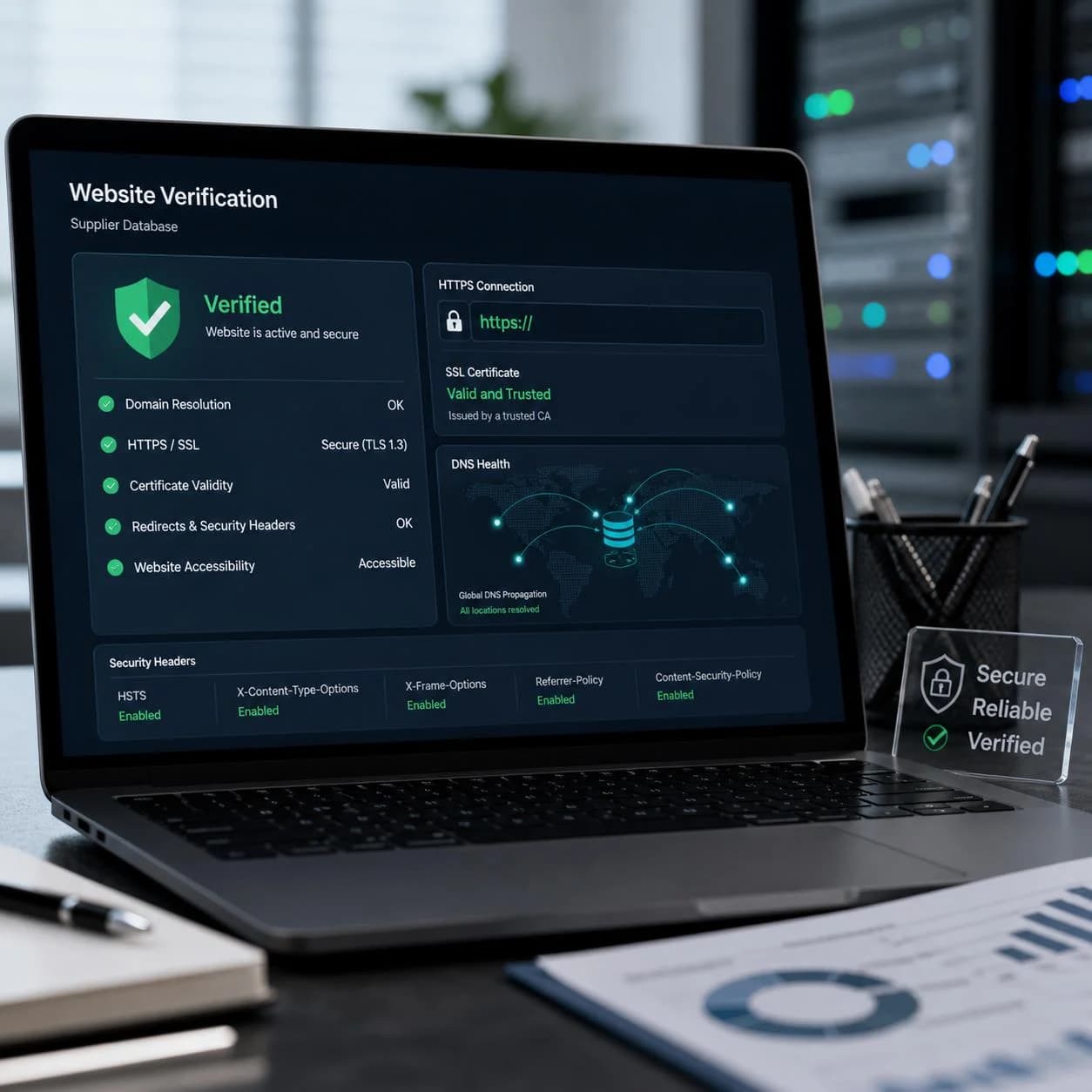
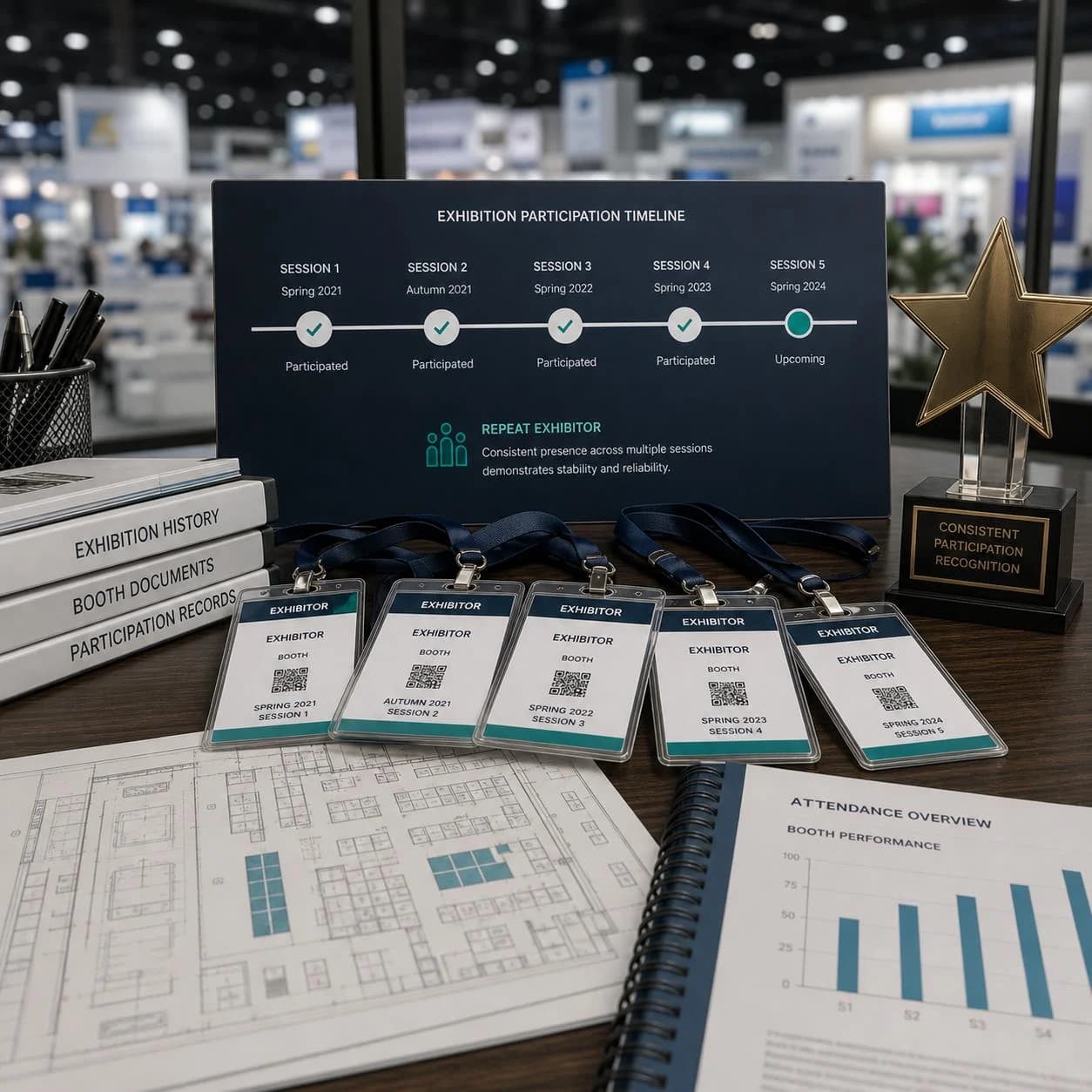
Procurement checklist: (1) Verify exporter credentials and factory audits, especially for safety certifications. (2) Request samples for material and durability testing. (3) Discuss minimum order quantities (MOQs) and lead times (usually 30-45 days). (4) Clarify payment terms (e.g., T/T with 30% deposit, L/C). (5) Inspect goods before shipment through third-party agencies. (6) Plan for customs clearance, ensuring tariffs and import duties are calculated. By leveraging these clusters and best practices, global buyers can optimize their toy sourcing strategy from China’s 421 exporters.